 |
| Tape Unwinding Rig A/TUR |
A Standard Test Method is a definitive procedure that produces a test result. In order to ensure accurate and relevant test results, a standard test method is explicit, unambiguous, and experimentally feasible, as well as effective and reproducible.
A standard test method can be considered an experiment that determines one or more characteristics of a given sample and the detail of the test method is usually as a result of creation from a number of experts in that measurement field. Within the materials testing industry, for example, there are an enormous number of standard methods (e.g. ASTM, ISO) that have been developed to measure specific sample characteristics.
Gelatine has become well established as a vital ingredient in many products, due to its multi-functional gelling, thickening, elastic and foaming properties.
A pure and naturally-sourced ingredient, gelatine is used to improve texture, appearance and sensory enjoyment. Selection of the correct gelatine and the right combination of gelling agents is vital to provide either soft, malleable textures or a smooth, firm end product, depending on application requirements.

MUCOSAL DELIVERY
Mucoadhesion
is the process by which a drug delivery device is designed to stick to a
part of the gut or other mucosae (buccal cavity, nasal, rectal and
vaginal), thus delivering drug to a precise site in the body for an
extended period.
This gives more effective treatment of some
diseases and can also protect drugs from some of the harsh conditions in
the body. Mucoadhesive drug delivery systems are used to treat several
conditions in the mouth and have been investigated as treatments for
stomach ulcers and cancer. The majority of infections affecting man and
animals take place or start in mucous membranes. The ability to retain
pharmacologically-active agents for extended periods of time on any
mucosal epithelium, including those of the nose, mouth, rectum or vagina
confers several potential therapeutic advantages.
 TRANSDERMAL DELIVERY
Transdermal
drug delivery as a route for systemic drug administration is currently
one of the advancing areas in drug development research.
This
is particularly true for the delivery of such drugs as opiate
painkillers, birth control, nitroglycerin for the prophylaxis of angina,
nicotine for smoking cessation therapy, testosterone for the correction
of male hypogonadism.
The skin route for systemic drug delivery is
especially attractive to formulators, as this integument is the most
readily accessible organ of the body. Clinicians are increasingly
recognising the advantages of controlled continuous intravenous infusion
of drugs, such as the avoidance of hepatic metabolism and the
maintenance of a constant therapeutic level in the body, that can be
obtained by the use of the skin as a portal of drug delivery, without
the risks and costs of intravenous therapy.
 INTRODUCTION
Developments
in transdermal, dermal and mucoadhesive drug delivery methods are
paving the way to the future of systemic drug administration.
INTRODUCTION
Developments
in transdermal, dermal and mucoadhesive drug delivery methods are
paving the way to the future of systemic drug administration.
As
skin is both the largest and most accessible organ in a human body,
pharmaceutical manufacturers are keen to take advantage of it as a drug
delivery platform.
The transdermal route helps to reduce the risks and costs of intravenous therapy that can be both traumatic and intrusive.
Transdermal
controlled release (CR) systems usually combine a therapeutic component
with an adhesive formulation that ensures a continuous delivery of the
active ingredient through unbroken skin at a constant absorption rate.
Skin adhesion and drug compatibility determine the efficacy of
transdermal applications.
 RECTAL DELIVERY
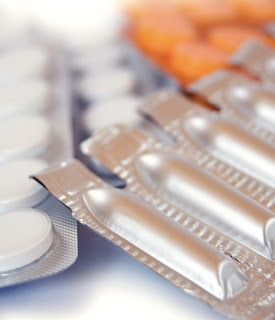
Although
administration via the peroral route is the most commonly targeted goal
of new drug and dosage form research and development, oral
administration is not always feasible or desirable.
The
potential for oral dosage form development is severely limited for
active agents that are poorly absorbed in the upper gastrointestinal
(GI) tract and unstable to proteolytic enzymes. Some agents cause local
stomach or upper GI irritation or require doses in excess of 500mg.
Additionally, treatment of some diseases is best achieved by direct
administration near the affected area, particularly with diseases
involving anorectal tissues. Although oral administration can be used
for drugs targeted for some of these diseased tissues, exposure of the
entire body compartment to the administered drug is inefficient and can
lead to undesired adverse effects.
VAGINAL DELIVERY
The vaginal route of administration offers a promising option for local and systemic delivery of drugs.
Suppositories,
creams, gels and tablets are commonly used vaginal drug delivery
systems. These conventional vaginal formulations, however, are
associated with limitations of poor retention, leakage, and messiness,
thereby causing inconvenience to users.
To overcome these limitations,
formulations that adhere to the vaginal mucosa for a sufficient period
of time need to be developed. Bioadhesion and retention are desirable
characteristics of a vaginal formulation to achieve desired efficacy.
These properties can be built in during formulation development by the
use of bioadhesive polymers and tested by similar methods to those
already discussed for bioadhesion. The limitations have also
necessitated the development of other novel drug delivery systems.
 OCULAR DELIVERY
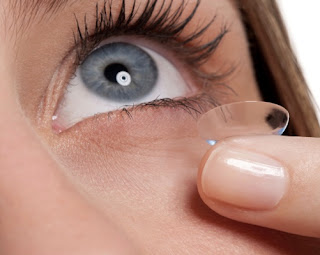
Treatment
of some diseases is best achieved by direct administration near the
affected area, particularly with diseases involving ophthalmic, optic,
dermal, oral cavity, and anorectal tissues.
Ocular drug
delivery is an interesting and challenging opportunity for
pharmaceutical development. The eye is protected by a series of complex
defense mechanisms, which usually result in poor bioavailability of
drugs administered via the ocular route. These include tear production
and the blinking reflex in addition to short residence time and reduced
drug permeability.



