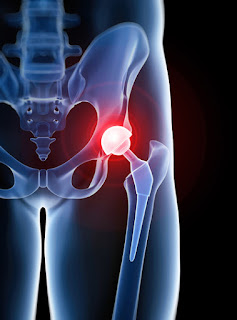
PARENTERAL DELIVERY
Developments in injectable depots and implants are driven by a desire to decrease the necessity for frequent medication.
Incorporating
polymer technology for slow, long-term release, this route is best
utilised for the treatment of chronic conditions, such as heart disease
and pain management. Hip or knee cap replacements are susceptible to
infection following surgery.
A preventative approach could be
for the doctor to leave behind an implant that could deliver an
anti-infective agent and disintegrate with time. These devices give
localised, high-concentration delivery, and by tuning the ratio of drug
load to polymer the required release rate can be optimised, over two
days or two months.

PULMONARY DELIVERY
Pulmonary delivery has been used for years to treat respiratory diseases by delivering drugs locally to the lung.
However, the latest advances are seeing drugs being delivered via this route for systemic circulation. The delivery of drugs to the bloodstream via the lungs is an attractive hypothesis, offering a non-invasive and rapid-onset alternative to injections.
Inhalation Drug Delivery via Metered-dose Inhalers
Aerosol route of administration targets drugs directly to the lungs and offers advantages of bypassing the first pass elimination, reducing the dosage frequency and minimising the extent of adverse drug reactions.
 INTRODUCTION
The latest craze to sweep the pharmaceutical industry is one of controlled-release drug delivery systems.
INTRODUCTION
The latest craze to sweep the pharmaceutical industry is one of controlled-release drug delivery systems.
This
controlled release can be systemic (generally via the bloodstream), as
is generally the case for oral preparations, or act specifically at the
site of greatest benefit (for example, in implanted devices) and these
dosage forms are defined as preparations that modify the rate and/or the
time and/or site of release of the active ingredient, in order to
achieve specific therapeutic objectives which cannot be achieved with
conventional dosage forms similarly administered.
 Whether you are new to texture analysis, are an experienced super user, or have specific requirements, you now have the flexibility to choose how you interact with a Connect Texture Analyser.
We offer three ways to run your instrument. Each can be used independently from each other, or you can have a combination of all three. Whichever suits your requirements, the choice is yours.
How to operate your Texture Analyser
Touchscreen
The Touchscreen is supplied with all of our Connect Texture Analysers and is capable of controlling your instrument and running simple tests. It is ideal for providing a quick result with some single point analysis, such as Maximum Forces in both compression and tension tests.
 The UNIVERSAL PEEL RIG (A/UPS) is a flexible solution to peel testing.
Significant improvements have been made to previous designs of peel rig for evaluating the quality and strength of container seals and adhesive bonds.
The Universal Peel Rig consists of a multi-position platform which is adjustable to allow the container to be held at 0, 45 and 90 degrees; the platform is screwed securely into position on the base of the Texture Analyser to suit the container.
 PERSONAL CARE PRODUCT PACKAGING
Not
only are the texture and physical appearance of personal care products
crucial for achieving aesthetic appeal and optimal functionality, but
other factors concerning their look and feel can dictate their
popularity.
The packaging of a product can have a profound
influence over purchasing decisions. Catchy names and bright colours are
part of the attraction but packaging that performs the essential
preservation function and is easy to use is also a key persuasion.
Regardless
of product density, several texture analysis examinations can aid
manufacturers in producing the best packaging to suit the personal care
product in question. With tubs, tubes, sachets and various other vessels
being available, it is essential that the correct packaging format is
chosen in order for consumers to make complete and convenient use of
their personal care products.
 PEELABLE PERSONAL CARE PRODUCTS
Measuring Peeling Characteristics
There are many personal care products which rely upon a good peeling function as their primary physical characteristic.
Medical
bandages, sanitary towels, and nappies are just a few examples of
products that at some point will require to be peeled from skin or
another surface and therefore this adhesive strength will need to be
measured in order to be monitored and/or controlled. Waxing strips are
used as a method of hair removal at home and are typically treated with
wax to remove hair.
The benefit of waxing strips are that they do not
require a heat source in order to grip the hair. Whether applying cloth
strips to heated wax on unwanted hair in a salon or whether using
formulated strips for home-use the success of this treatment is based on
the adhesive interaction that occurs with the hair in order to remove
it when the strips are peeled off.
 GELS
GELS
Hydrogels are becoming a major influence in personal care products today.
There
is a need for hydrophilic, skin adhesive, biocompatible hydrogels that
can be used in a variety of applications such as shampoo, hair setting
gels, face masks, skin fresheners and scented gels (air fresheners).
Currently there are numerous hydrogels on the market, ranging from
viscous solutions to elastic solids. The reason for this recent interest
is that hydrogels can act as moisturising agents and they can deliver
numerous therapeutic ingredients in a controlled manner.



