 INTRODUCTION
Before
paint was ever splashed onto canvas or cave walls, it was daubed on
faces and bodies, not only for symbolic purposes but for decoration too.
INTRODUCTION
Before
paint was ever splashed onto canvas or cave walls, it was daubed on
faces and bodies, not only for symbolic purposes but for decoration too.
Today, a plethora of beauty products are seen lined up in the display windows and shelves of shops and stores everywhere.
The
cosmetics and personal care market is extremely crowded, making it an
extremely competitive arena. In this industry, the combination of good
marketing and product quality must be compelling to gain shelf space,
consumer attention and repeat purchase.
Staying firm on sugar reduction
Already in the crosshairs of health-conscious consumers, these days sugar is frequently demonised in the media.
Legislation
across the globe is mandating the reduction of sugar in a variety of
products, as well as demanding clearer labelling in an effort to educate
and discourage consumers. Where soft drinks began, the rest of the food
industry is expected to follow. As a result, manufacturers’ need to
reformulate with lower sugar content is higher than ever.
However,
beyond adding a sweeter taste, the reduction or removal of sugar also
impacts the texture of foods which must be addressed. Jam, for example,
relies on sugar for firmness. Whether being spread on toast or added to
cakes, the firmness of jam is crucial to consumer enjoyment and has a
direct impact on its perceived quality.
 Low-fat without low-quality
With
global obesity levels at an all-time high, and an improved
understanding of the impact of fat on the function of many major organs,
low-fat diets are a common approach used by many consumers hoping to
improve their health.
Low-fat without low-quality
With
global obesity levels at an all-time high, and an improved
understanding of the impact of fat on the function of many major organs,
low-fat diets are a common approach used by many consumers hoping to
improve their health.
This trend has had huge implications
for the dairy sector, where, to meet this demand, thousands of product
lines are being reformulated, and many more are being launched from
scratch. From dairy drinks and yoghurts to cheeses and dairy desserts,
the low-fat trend is visible everywhere.

Measuring strength and stickiness in low-salt
According
to the World Health Organization (WHO), adult salt intake of less than
five grams per day can help to reduce blood pressure and the risk of
cardiovascular disease.
In response, WHO member states have
pledged to reduce the global population’s intake by a relative 30% by
2025. As such, low-salt launches, including the revolutionary change to
Heinz soup recipes to provide reduced sodium options, are rife in the
market. Yet, while health authorities worldwide agree too much salt can
be bad for health, it does have an important role in texture –
particularly in cooked meats, where it ensures firmness and “bite,” and
baked goods, in which it plays a multitude of textural roles.
 Introduction
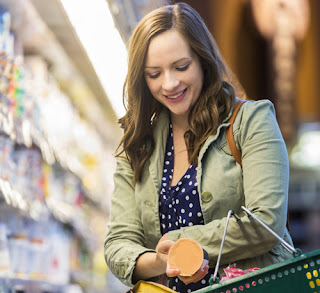
Consumers are more aware of, and knowledgeable about, their health than ever before.
This
increased focus has led to people following a variety of different
diets, with a wide range of dietary specifications, putting pressure on
manufacturers to develop a portfolio of foods and drinks to meet
individual needs. In many cases, this involves reformulating an existing
product to have more of a particular ingredient, such as higher protein
content, or less of another, including salt, fat and sugar.

Standard engineering calculations have now been built into Exponent and Exponent Connect
software for quick calculation of specific moduli, stresses, strains,
strengths and energies which are particularly suited to materials
testing applications for our range of Texture Analysers.
Each
calculation is designed to be used with a very specific test setup (for
example, cuboid three point bend testing) as the specific equations
required for analysis depend on the sample and test geometry. A help
page is supplied within the software for each quick calculation
explaining the parameters that must be entered into the software by the
user (such as film thickness) and a derivation and reasoning behind
every equation used.
More than ever, products must feel right
Tweaking texture could give us healthy versions of our favourite junk foods – and that's just the beginning.
According
to a recent Popular Science article, food’s texture, called rheology,
is so intricately tied to our food preferences that it’s becoming a bona
fide area of study.
The Commonwealth Scientific and
Industrial Research Organisation (CSIRO) uses computational models to
study how food moves and interacts with all of the surfaces of the mouth
– technology previously used to predict tsunamis – to help better
understand the connection.
 Quality
components of fruits and vegetables are classified into the external
such as size (weight, volume and dimensions), colour, shape
(diameter/depth ratio), external defects etc. and the internal such as
sugar content, acid content, firmness, maturity etc and internal
characteristics.
Quality
components of fruits and vegetables are classified into the external
such as size (weight, volume and dimensions), colour, shape
(diameter/depth ratio), external defects etc. and the internal such as
sugar content, acid content, firmness, maturity etc and internal
characteristics.
Agricultural products have the
characteristics of being ‘low value added’ as compared with other
industrial commodities. Because of this, application of start-of-the-art
technology to agricultural sectors has been relatively recently
activated and various up to date techniques have now reached the point
of practical implementation.

 INTRODUCTION


